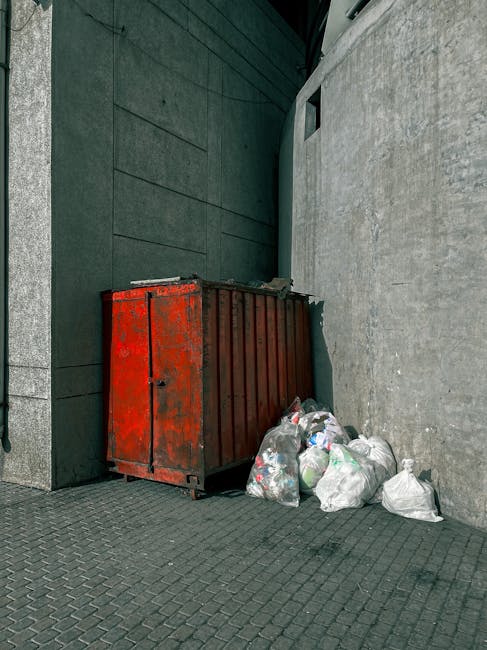
Best rubbish removal on Cable Street, Shadwell: a practical local guide for faster, tidier clearances
If you are looking for the best rubbish removal on Cable Street, Shadwell, you probably want more than a van and a smile. You want a service that turns up when promised, clears the mess properly, and does not leave you wondering what happens next. Maybe it is a flat full of old furniture, a builder's skip that never happened, or just the kind of clutter that has crept into a corner over the years. Fair enough. That is exactly the kind of situation this guide is here to help with.
In a busy part of East London, rubbish removal is not just about lifting bags. It is about access, timing, neighbourly common sense, safe loading, and making sure the job is handled in a way that feels calm rather than chaotic. Below, you will find a clear explanation of how rubbish removal works on Cable Street, what to look for in a provider, what to avoid, and how to make the whole thing easier for yourself.
Whether you are clearing a home, a rental property, an office, or a pile of post-renovation debris, the right approach saves time and stress. And let's face it, that is usually the real goal.
Table of Contents
- Why Best rubbish removal on Cable Street, Shadwell Matters
- How Best rubbish removal on Cable Street, Shadwell Works
- Key Benefits and Practical Advantages
- Who This Is For and When It Makes Sense
- Step-by-Step Guidance
- Expert Tips for Better Results
- Common Mistakes to Avoid
- Tools, Resources and Recommendations
- Law, Compliance, Standards, or Best Practice
- Options, Methods, or Comparison Table
- Case Study or Real-World Example
- Practical Checklist
- Conclusion
- Frequently Asked Questions
Why Best rubbish removal on Cable Street, Shadwell Matters
Rubbish removal matters because clutter creates friction. A blocked hallway slows down moving day. A pile of broken chairs makes an office feel unfinished. A bag of mixed waste left too long starts to smell. None of that is dramatic, but it does affect daily life in a very real way.
On Cable Street, where homes, flats, and small businesses sit close together, the practical details matter even more. Parking can be awkward. Access can be tight. Stairwells and shared entrances need care. If a removal team is careless, the problems do not stay politely contained. They spread into the building, the pavement, and sometimes the mood of the whole afternoon.
There is also a trust factor. When someone removes waste from your property, you are relying on them to handle it responsibly, not just disappear with it. A well-run rubbish removal service should make the process feel simple, tidy, and predictable. That sounds basic, but it is often what people value most.
Expert takeaway: the best rubbish removal service is not the cheapest-looking advert; it is the one that makes your space usable again without creating extra hassle, risk, or loose ends.
And yes, it really can be that straightforward when the job is organised well.
How Best rubbish removal on Cable Street, Shadwell Works
Most rubbish removal jobs follow a similar pattern, although the details depend on the type and amount of waste. The process usually starts with an enquiry or quote request, then a brief discussion about what needs clearing, where it is located, and how access works. From there, a good provider will estimate the load, arrange a suitable time, and explain any constraints in plain English.
On the day, the team should arrive with the right vehicle, the right lifting equipment if needed, and a clear idea of what is included. They will load the waste, separate items where practical, and remove it from site. In many cases, sorting happens later at an approved facility, where recyclable materials and reusable items are separated from general waste. If the provider talks openly about recycling and disposal, that is a good sign.
For many Cable Street properties, the process is slightly more logistical than people expect. Flats above street level, limited parking, and shared entrances can all slow things down if nobody has planned ahead. That is why the best rubbish removal companies ask good questions before they turn up. A five-minute conversation now can save twenty minutes of awkward lifting later. Truth be told, it saves more than time; it saves annoyance.
Typical jobs might include:
- single-item furniture removal
- full room or flat clearances
- bulky waste collection
- builder's waste and renovation debris
- garden waste and outdoor clutter
- office and business waste removal
If you need a broader service beyond one-off waste collection, it can help to look at a wider option such as waste removal or a more specific clearance service depending on the type of items involved.
Key Benefits and Practical Advantages
The obvious benefit is getting rid of rubbish. But the real advantages run a bit deeper than that.
1. Faster turnaround. A decent rubbish removal team can clear items in a single visit, which is useful when you are working around a move, refurbishment, or end-of-tenancy deadline.
2. Less strain on you. Heavy lifting, awkward furniture, and bagged waste all add up. If you have ever tried to manoeuvre a mattress around a narrow landing, you already know the value of a second pair of hands.
3. Cleaner finish. Good teams do not just dump and dash. They should leave the area swept or at least reasonably tidy, with the collection done neatly and safely.
4. Better space planning. Once the clutter is gone, the room often feels larger instantly. People underestimate this. A cleared spare room can change how a flat functions day to day.
5. More responsible disposal. Properly run waste removal means items are handled with recycling and reuse in mind where possible. That is not just better practice; it is a sensible way to reduce unnecessary landfill.
6. Less stress around access and timing. In places like Shadwell, timing matters. A service that communicates clearly and arrives within the agreed window is worth a lot, even if that sounds boring on paper.
For furniture-heavy jobs, a dedicated service such as furniture clearance or furniture disposal may fit better than a general load-away option. It depends on what you are trying to remove, and how quickly you need it gone.
Who This Is For and When It Makes Sense
Rubbish removal is not only for big clear-outs. In practice, it helps a wide mix of people and situations.
Homeowners often need it after renovations, loft sorting, garage clearing, or replacing bulky furniture. If the loft has become a graveyard for old boxes and broken fittings, you are not alone. That happens more often than people admit.
Tenants use it when moving out and need to leave a property tidy without making half a dozen trips to the tip. It is especially useful if there are bulky items too large for a car.
Landlords and letting agents may need fast clearance between tenancies. A property that still has leftover junk in it is harder to show, harder to clean, and harder to get ready for new occupants.
Businesses and offices might need disposal for desks, chairs, packaging, filing, or general operational waste. In these cases, a service with the right commercial handling can be more suitable than a domestic-only option. You can explore business waste removal or office clearance if the job is work-related.
Builders and renovators often need mixed debris removed quickly so the site stays workable. For that kind of load, builders waste clearance is usually the right route.
Garden owners and property managers may need help with branches, soil bags, old fencing, or outdoor clutter. A garden clearance can be the easiest way to handle that without filling a car boot three times.
If you are not sure whether your job is more of a clearance, a disposal task, or a full property emptying, that is normal. The good providers can usually help you work it out. One quick photo or a short description often clears things up fast.
Step-by-Step Guidance
Here is the simplest way to approach rubbish removal on Cable Street without overcomplicating it.
- List what needs removing. Write down the item types first: furniture, mixed rubbish, packaging, white goods, garden waste, or building debris. Don't worry about perfect sorting at this stage.
- Estimate the amount. Is it a few bags, a roomful of items, or several bulky pieces? A rough estimate helps the provider send the right vehicle and team size.
- Check access. Think about stairs, lifts, narrow hallways, parking, loading distance, and whether anyone needs advance notice before entering the building.
- Ask what is included. A good quote should explain labour, loading, transport, disposal, and any extra considerations clearly enough that you do not need detective work.
- Choose a sensible time window. If you live or work in a busy building, try to book when access is easiest. Early slots can sometimes reduce disruption. Not always, but often enough.
- Prepare the area. Move small valuables, clear pathways, and separate anything staying behind. It keeps the team moving and reduces mistakes.
- Confirm disposal expectations. Ask how the waste is handled, especially if you want a recycling-led approach or have mixed materials.
- Review the job before they leave. Walk through the cleared area and check nothing important has gone by mistake. This is a small step, but worth it.
A useful shortcut: if you are clearing a whole room, start from the corners and work toward the exit. It sounds simple because it is simple. Most good systems are.
Expert Tips for Better Results
Over time, the jobs that run smoothly tend to have a few things in common.
Be specific about the waste type. Mixed waste, furniture, soil, plasterboard, and general household clutter are not the same thing operationally. If you mention the mix up front, the provider can plan properly.
Photograph the load. A few clear pictures from different angles are often enough to prevent misunderstandings. That is especially helpful if the items are in a basement, loft, or cramped top-floor flat.
Separate anything reusable. If some items could be donated, reused, or resold, pull them aside before the team arrives. This keeps the clearance focused and may reduce unnecessary disposal.
Think about timing around neighbours. In shared buildings, loud movements, repeated door propping, and hallway congestion can be annoying. A quiet, efficient collection is always better than a rushed one.
Ask about recycling and sorting. You do not need a lecture. Just a clear answer. The better providers will usually have a straightforward process and be happy to explain it.
Be realistic about access. If the van cannot stop right outside, say so. If the lift is tiny or the stairwell is awkward, say that too. It is not a problem unless nobody knows.
Keep one small staging area. If you gather items in one place before collection day, the team can load much faster. That may sound like a small thing, but small things are what make a job feel calm.
Use the right service for the right task. A general rubbish removal job is fine for mixed clutter. But if you are clearing a loft, garage, or a whole flat, a more specific clearance service often makes the day easier and the quote clearer. For example, loft clearance is useful when access is awkward and items have been stored for years.
One more thing: if the quote sounds vague, ask for clarification. A solid provider will not mind. The awkward silence usually belongs to the person who does not know what they are charging for.
Common Mistakes to Avoid
Most rubbish removal problems come from a few very avoidable mistakes. Nothing dramatic. Just easy-to-miss details that cause unnecessary hassle.
- Underestimating the amount of waste. A pile that looks small in a corner can become a surprisingly large load once it is bagged and stacked.
- Not checking access in advance. A provider who arrives without knowing about stairs, parking restrictions, or entry codes may run late or struggle to complete the job efficiently.
- Leaving mixed items unsorted when separation would help. Some clearances move smoother if recyclable or reusable items are grouped out beforehand.
- Choosing only on price. The cheapest option is not always the best value if it leads to delays, poor communication, or unclear disposal handling.
- Forgetting fragile or personal items. Papers, chargers, documents, keys, and photographs can get caught up in clutter fast. Double-check before collection.
- Assuming every provider handles every waste type. Not all teams are set up for all material streams, especially when hazardous or specialist items are involved.
- Leaving booking details too vague. If your notes just say "a lot of stuff," you may end up with the wrong vehicle or not enough time booked.
A slightly messy plan is still better than no plan, to be fair. But a tidy plan usually saves money and effort too.
Tools, Resources and Recommendations
You do not need a warehouse of gear to prepare for rubbish removal. A few basic tools and sensible habits make a big difference.
- Heavy-duty bags: useful for loose household waste, soft furnishings, and smaller mixed items.
- Labels or marker tape: handy if some items are staying and others are going.
- Protective gloves: especially if you are sorting old boxes, sharp packaging, or dusty storage areas.
- Tape measure: useful for bulky furniture, tight stairwells, or checking if an item can be carried out safely.
- Phone camera: a quick way to document the job for a quote or to confirm what was cleared.
- Door mats or blankets: sensible for protecting floors and reducing scuffs in shared hallways.
If you are planning a wider property emptying, services such as house clearance, home clearance, or flat clearance may be more appropriate than a simple one-off rubbish collection. The trick is matching the service to the job, not forcing the job into the wrong box.
For sheds, cluttered basements, or outdoor overflow, garage clearance can be a practical option too. It is often one of those jobs that gets postponed for months because, well, there is always something else to do first.
Law, Compliance, Standards, or Best Practice
When rubbish is removed from your property, it should be handled by a provider that follows sensible UK waste practices. You do not need to become a compliance expert, but you do need to know the basics.
Duty of care matters. In plain English, waste should not just disappear into the back of a van and become somebody else's problem. It should be transported and handled responsibly, with proper care taken over where it goes next.
Not all waste is the same. Some materials need special handling, and some items are not suitable for standard mixed waste collection. If you have anything unusual, ask before booking. That includes items that are heavy, sharp, dusty, broken, or potentially hazardous.
Insurance and safety practices are worth checking. A professional team should work in a way that reduces the chance of damage to property or injury during lifting and loading. If you want peace of mind, look at a provider's insurance and safety information and their health and safety policy. Those pages do not guarantee perfection, obviously, but they do tell you whether the business takes the basics seriously.
Recycling and reuse are normal expectations now. Best practice is to separate materials where possible and divert reusable items from disposal when practical. That may not happen with every single item, but a responsible operator should be thinking that way.
Pricing should be clear enough to understand. No one likes surprise charges. Transparent quoting is a good sign, and it is sensible to read the provider's pricing and quotes guidance before you commit.
If you are comparing providers, do not be shy about asking simple questions: Where will the waste go? How is the price worked out? What happens if the load is bigger than expected? Those are normal questions. Frankly, they should be welcomed.
Options, Methods, or Comparison Table
There is more than one way to clear rubbish on Cable Street. The best choice depends on volume, item type, urgency, and access. Here is a practical comparison.
| Option | Best for | Strengths | Watch-outs |
|---|---|---|---|
| General rubbish removal | Mixed clutter, bags, small-to-medium loads | Quick, flexible, simple for most households | Less ideal for very large or specialist items |
| Furniture clearance | Sofas, beds, wardrobes, tables | Good for bulky items and awkward lifting | May need extra detail if items are heavy or dismantled |
| House or flat clearance | Full property clear-outs, moves, probate-style clearances | More comprehensive, better for larger jobs | Needs clearer planning and time allocation |
| Builders waste clearance | Renovation debris, rubble, packaging, offcuts | Suitable for heavier, messier site waste | Material type needs to be disclosed accurately |
| Garden or garage clearance | Outdoor clutter, tools, old fixtures, seasonal buildup | Great for neglected spaces and access-heavy jobs | Can hide more volume than expected |
There is no magic answer for every job. A tiny flat clearance is not the same as a builders waste pickup from a renovation. If you match the service to the waste, everything tends to go more smoothly. Funny how that works.
Case Study or Real-World Example
Here is a realistic example from the kind of work people often need on Cable Street. A tenant is moving out of a second-floor flat. There is an old sofa, a broken chest of drawers, several bin bags of mixed household waste, and a few loose items in the cupboard that were forgotten until the final week. The lift is small, the stairwell is narrow, and the move-out deadline is close.
The sensible approach is to book a clear, time-specific rubbish removal slot, send a couple of photos in advance, and mention the access issues upfront. The team can then arrive ready for stairs, plan the loading route, and remove the items in one visit rather than dragging the whole thing out across a day.
What makes this work well is not luck. It is preparation. The tenant saves time, the property is left in a better state, and the exit feels less stressful. If the provider also separates reusable items or routes suitable materials into recycling streams, even better. No drama, no guessing, no last-minute panic.
A different example would be a small office that has upgraded desks and needs old chairs and filing materials cleared before a new layout is installed. In that case, an office-focused service is usually the better fit because the site needs careful handling and fast turnaround. It is a small distinction, but an important one.
Practical Checklist
Use this checklist before the collection day. It keeps things simple.
- Identify exactly what is being removed.
- Separate anything that must stay.
- Take photos of bulky or awkward items.
- Check stairs, lifts, entry codes, and parking restrictions.
- Confirm the booking time and likely duration.
- Ask whether labour, loading, and disposal are included.
- Point out any fragile surfaces, tight corners, or access issues.
- Put aside documents, keys, chargers, and personal items.
- Decide whether reusable items should be removed separately.
- Prepare a clear path from the waste to the exit.
- Ask how mixed materials are sorted and handled.
- Review the cleared area before the team leaves.
If you are clearing a full room, add a cup of tea and a deep breath to the list. That helps too, surprisingly.
Get a free quote today and see how much you can save.
Conclusion
The best rubbish removal on Cable Street, Shadwell is the kind that feels organised, respectful, and genuinely helpful. It should fit the space, the waste type, and the pace of your day. It should also make you feel like the job is under control from the first conversation to the final load.
If you choose carefully, prepare a little in advance, and ask the right questions, the whole process becomes much easier. That is true whether you are clearing a single bulky item, tidying a flat, or sorting out a larger property job. The difference is often in the details, not the drama.
And once the clutter is gone, the room usually feels lighter in a way that is hard to explain until you see it. Quiet, clean, ready again. That is the good part.
Frequently Asked Questions
What counts as rubbish removal on Cable Street, Shadwell?
It usually means collecting and disposing of unwanted items from a home, flat, office, shop, or outdoor space. That can include bags of mixed waste, furniture, old appliances, renovation debris, or general clutter that needs clearing quickly and safely.
How do I know whether I need rubbish removal or a full clearance service?
If it is a small or mixed load, rubbish removal may be enough. If you are clearing an entire room, property, loft, garage, or office, a more specific clearance service is often the better choice because it is planned around larger volumes and more item types.
Is furniture removal the same as rubbish removal?
Not quite. Furniture removal focuses on bulky items such as sofas, beds, wardrobes, and tables. Rubbish removal is broader and may include mixed household waste, broken items, packaging, and other non-furniture clutter. The two often overlap, though.
Can rubbish removal handle stairs and tight hallways?
Usually yes, but the provider needs to know in advance. Stairs, narrow hallways, and limited parking can affect timing, manpower, and the quote. If your building is awkward, say so early. It helps more than people think.
Do I need to sort everything before collection?
Not always. Many services can take mixed waste. Still, it helps to separate items you want to keep, and to set aside anything reusable or particularly fragile. A little sorting goes a long way.
What should I ask before booking the best rubbish removal on Cable Street, Shadwell?
Ask what is included in the quote, how waste is handled, whether labour and loading are covered, how access issues are managed, and whether there are any additional charges for bulky or specialist items. Clear answers are a good sign.
How far in advance should I book?
That depends on urgency, but earlier is usually better if you want a specific time slot or have access constraints. For move-outs, renovations, or office changes, booking ahead can make the whole day less stressful.
Is recycling part of rubbish removal?
It should be part of the process where practical. Responsible providers usually sort materials so recyclable or reusable items are separated from general waste when possible. Not every item can be recycled, of course, but the intention matters.
What if I have a very small amount of waste?
Small loads can still be worth removing if you do not have the time, vehicle, or physical ability to deal with them yourself. Sometimes a few awkward items cause more hassle than a bigger pile. Strange, but true.
Are there special considerations for business or office waste?
Yes. Business waste may need a more structured approach, especially if it includes office furniture, filing materials, IT equipment, or a larger volume of mixed items. A commercial-focused service such as office clearance can be a better fit than a general household collection.
What is the best way to get an accurate quote?
Share clear photos, a brief list of the items, and details about access such as stairs, lifts, or parking. The more honest and specific you are, the more accurate the quote is likely to be. It also reduces the chance of awkward surprises on the day.
How do I know the provider is working responsibly?
Look for clear communication, sensible pricing information, safety-minded working practices, and straightforward explanations about disposal and recycling. You can also review their insurance and safety details, which is a very practical thing to do before booking.
What if I am clearing a property in stages rather than all at once?
That is common enough. You can often split the job into smaller loads, especially if you are sorting keeps, donations, and waste separately. A staged approach can feel slower, but sometimes it is the calmest way to do it.