How to Responsibly Get Rid of Unwanted Cookware Without Harming the Environment
You open a cupboard and a clatter of lids says it all: there's too much cookware in there. Scratched non-stick pans, dented lids, the random pot that doesn't match any lid (we all have one). The question isn't whether to declutter; it's how. How to responsibly get rid of unwanted cookware without harming the environment, without breaking local rules, and ideally without spending a fortune.
This guide is your expert, step-by-step map. We'll cover eco-friendly cookware disposal, donation and resale options, repair and refurbishment, and where recycling truly works--plus what to avoid. You'll find UK-focused regulations, practical tips, and realistic examples from everyday kitchens. We've helped hundreds of households and small cafes clear cupboards the sustainable way. You'll see why that matters the moment your drawers glide open smoothly again. Clean, clear, calm. That's the goal.
Table of Contents
- Why This Topic Matters
- Key Benefits
- Step-by-Step Guidance
- Expert Tips
- Common Mistakes to Avoid
- Case Study or Real-World Example
- Tools, Resources & Recommendations
- Law, Compliance or Industry Standards (UK-focused)
- Checklist
- Conclusion with CTA
- FAQ
Why This Topic Matters
If you care about your kitchen, you probably care about what happens to the things that leave it. Millions of pots and pans are tossed into general rubbish every year. That's a waste of resources. Stainless steel and aluminium are highly recyclable, with aluminium recycling saving up to 95% of the energy compared with making new metal, and steel recycling commonly saving 60-70% of energy versus virgin production. Meanwhile, durable items like cast iron can be restored to near-new with a simple re-seasoning. It's not just good for the planet; it's good for your wallet and your cupboards.
There's also an honesty here. Older non-stick cookware--especially pre-2013 products made with PFOA in the manufacturing process--raises questions. While they're generally safe in normal use, scrapped or overheated non-stick shouldn't be burned or dumped haphazardly. Doing this responsibly protects air quality, reduces landfill, and keeps useful materials in circulation. To be fair, it's just decent stewardship of the things you've used to feed yourself and your family.
One rainy Tuesday in London, I watched a client spread their collection across the kitchen floor. You could almost smell the cardboard dust from old packaging and the metallic tang from a rusty wok. They sighed, then smiled--because once you know the routes, this is easier than it looks.
Key Benefits
- Environmental impact: Divert metals and glass from landfill; reduce energy demand through recycling; keep microplastics from fragmentation in the waste stream.
- Financial savings: Scrap value for metal cookware can offset transport costs; donating or selling usable pieces helps others and puts a little back in your pocket.
- Space and sanity: Decluttered cupboards are safer and more pleasant. Fewer items means less rummaging and fewer near-misses with falling lids.
- Community benefit: Community kitchens, shelters, and students in house-shares often need affordable cookware in decent condition.
- Compliance and peace of mind: Follow UK waste hierarchy principles (prevention, reuse, recycle) and protect yourself from improper disposal risks.
Ever tried clearing a room and found yourself keeping everything "just in case"? This time, you'll know exactly what to keep--and how to responsibly get rid of unwanted cookware without harming the environment.
Step-by-Step Guidance
Below is a practical, no-fuss process for eco-friendly cookware disposal and reuse. Use what fits your situation. Skip what doesn't. No judgement here.
1) Audit and Sort by Material
Lay everything out. Group by type and condition:
- Metals: Stainless steel, carbon steel, cast iron, aluminium, copper (including copper-core). These are usually recyclable as scrap metal.
- Non-stick: PTFE-based (often called Teflon) or ceramic-coated. Treat as metal with coatings, but prepare carefully.
- Glass: Tempered lids (not always recyclable with bottle glass; treat as household waste unless your council/HWRC says otherwise).
- Ceramic and enamel: Often not kerbside-recyclable. Check HWRC options; otherwise reuse or general waste if broken.
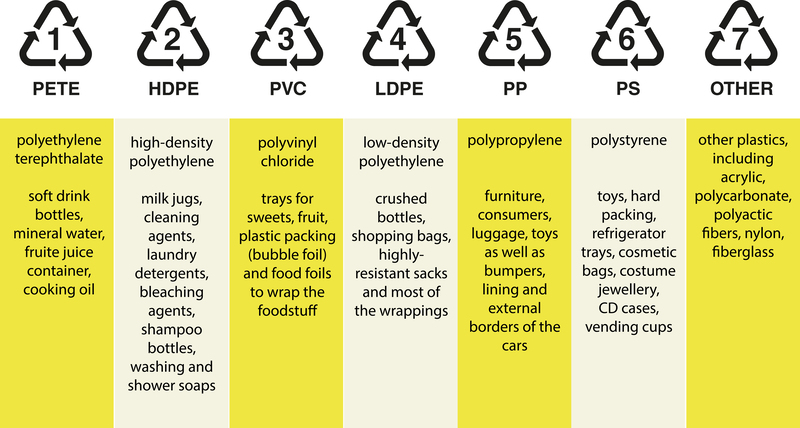
- Silicone and plastics: Baking mats, spatulas, plastic handles. May not be recyclable in household streams; some specialist options exist.
- Electrical cookware: Rice cookers, slow cookers, electric grills and skillets. These are covered by WEEE (Waste Electrical and Electronic Equipment) rules. Reuse, return, or HWRC electronics drop-off.
Quick trick: use a magnet. Ferrous metals (like many stainless or carbon steel items) grab the magnet; aluminium and copper don't. Scrap yards often take mixed metal items, but separation can fetch slightly better prices.
2) Triage: Keep, Repair, Donate, Sell, Recycle, or Dispose
- Keep cookware that you use, that heats evenly, and that fits your hob (especially induction-ready pieces).
- Repair cast iron (strip rust and re-season), tighten loose handles, replace knobs on lids. Small fixes dramatically extend life.
- Donate clean, safe items with life left--no deep scratches in non-stick, no chips that risk shards, and no wobbly handles.
- Sell quality brands in good condition--stainless sets, copper-core pans, cast iron, and premium non-stick with intact coating.
- Recycle metals at a local scrap yard or Household Waste Recycling Centre (HWRC). Disassemble where practical.
- Dispose only what you must, when no reuse/recycling route exists (e.g., shattered glass lids, badly chipped ceramic).
One client almost binned a 20-year-old cast iron griddle. After a scrub and re-season, it's now their Saturday pancake pan. The sizzle, the smell--bliss.
3) Prepare Items for Their Next Life
Shifting from random pile to tidy bundles is half the win.
- Clean thoroughly. Sticky oil and food residue can contaminate donations and reduce scrap value. A degreasing wash is enough.
- Disassemble where easy. Remove plastic/wood handles and glass lids. Keep screws/bolts in a small bag if donating.
- Label by material. A simple note like "Aluminium pan--handle removed" helps volunteers and scrap yards sort quickly.
- Protect sharp edges. Tape or cloth-wrap broken ceramics or jagged metal to prevent injuries.
Do not burn non-stick cookware. Never. At home or in a bonfire. High heat can release fumes and isn't an approved disposal method.
4) Choose the Right Route
- Reuse and Donation: Offer to neighbours, community kitchens, students, or shelters. Apps like Freegle, Freecycle, or Olio work well in the UK. Charities often accept pans in safe, clean condition.
- Resale: Facebook Marketplace, Gumtree, or a local boot sale. Sets sell better than single odd pans unless it's premium kit.
- Recycling: HWRC metal containers usually accept pots and pans. Scrap metal dealers may pay modestly for weight.
- Take-back schemes: Some retailers offer old-for-new take-back, especially for electrical cookware under WEEE obligations.
- Specialist recovery: Rarely, premium brands or coatings can be refurbished by specialists. Worth it for high-end pieces only.
Call ahead to your HWRC or scrap yard to confirm they accept mixed cookware. Policies vary by council. On a breezy afternoon, one yard manager laughed, "We see more frying pans than cars some days." Not sure he was joking.
5) Transport and Drop-off
- Pack safely: Use boxes or crates, with heavier items at the bottom. Glass lids on top with padding.
- Keep items grouped: Donations together, scrap together, WEEE items together. Saves time at the site.
- Documentation: If using a waste collection service, ensure they have a Waste Carrier Licence (UK) and ask for a transfer note.
It was raining hard outside that day; still, we made two quick trips in a hatchback and cleared 40 kg of mixed cookware. Satisfying little clinks as the metal went into the right skip. Order out of chaos.
6) Follow Up and Keep It Sustainable
- Track what you used afterwards. A month later, notice which pieces you missed (if any). That helps you buy better next time.
- Choose better materials. Durable, repairable, and recyclable items--cast iron, stainless steel, carbon steel--often outlast trends.
- Care to extend life. Use soft utensils on non-stick, avoid overheating, and handwash when recommended.
Expert Tips
- Non-stick nuance: Scratched non-stick can flake. If it's minor, gift for reuse only if safe and clearly described; otherwise, remove handle and recycle as metal if accepted. Always check your local council policy.
- Cast iron revival: Strip rust with steel wool, wash, dry thoroughly in a warm oven, then oil lightly and bake at 200-230?C for an hour to re-season. Repeat 2-3 times. It'll shine.
- Aluminium vs. steel: Aluminium is lightweight, non-magnetic; it crushes slightly under strong pressure. Steel is heavier and magnetic. Knowing this helps in sorting and pricing at scrap yards.
- Copper care: If the copper lining is worn or dented beyond repair, treat as mixed metal for recycling. Premium copper can be re-tinned by specialists--worth it for heirloom pieces.
- Electric cookware: Remove loose food, keep power cords attached, and drop at WEEE collection points. Some big retailers must take small WEEE when you buy new.
- Check brand warranties: A few brands will replace faulty non-stick within a warranty window. If it's a manufacturing fault, don't bin it.
- Batch your trips: Pair cookware recycling with other metal drop-offs (old toasters, cutlery). Less travel, fewer emissions.
- Local donation etiquette: Ring ahead. Some charity shops won't accept certain kitchenware for safety reasons, but community centres might.
- Mind the lids: Tempered glass lids usually aren't the same as bottle glass. If your HWRC doesn't accept them for recycling, reuse or dispose carefully. Wrap broken glass well.
- Storage as prevention: Use pan protectors and proper stacking. Prevention is the top of the waste hierarchy; looking after what you own is the greenest move of all.
Yeah, we've all been there--scratched a favourite pan with a metal spatula and instantly regretted it. Live and learn.
Common Mistakes to Avoid
- Throwing all cookware in the general bin. Metals especially should be recycled; it's simple and impactful.
- Burning or grinding non-stick coatings at home. Unsafe and non-compliant. Use approved routes.
- Donating unsafe items. Wobbly handles, sharp chips, or flaking surfaces aren't gifts--they're hazards.
- Kerbside wishcycling. Most UK kerbside schemes won't take pots/pans. Use HWRC or scrap yards instead.
- Ignoring WEEE rules. Electric cookware isn't general waste. Keep cords attached and use proper collection points.
- Not checking council guidance. Lids, ceramics, and silicone often have specific instructions; policies vary by local authority.
- Missing resale value. A quality stainless set could be worth more than you think--clean it, bundle it, and list it.
- Skipping safety gear. Gloves for sharp metal edges, eye protection when disassembling. Simple, important.
Case Study or Real-World Example
Case: A West London Flat Clear-Out (3 hours, two people)
- Starting point: 27 mixed items--6 stainless pans, 3 cast iron, 7 older non-stick, 4 glass lids, 3 baking trays, 2 silicone mats, 2 electric items.
- Process: Sorted by material; cleaned and de-greased; removed plastic handles; tightened screws on items for donation.
- Outcome:
- Donated: 9 items (stainless pans, trays) to a community kitchen.
- Sold: 2 cast iron pieces for ?35 total after re-seasoning.
- Recycled: 12 items (mixed metal) at HWRC; received ?6.80 scrap value due to weight.
- WEEE: 2 electric items dropped at retailer take-back.
- Disposed: 2 cracked glass lids (wrapped) and a torn silicone mat.
- Result: ~85% diversion from landfill by weight. Net cost: ?0 (small scrap value offset cleaning materials). Cupboards now glide shut with a soft click--no avalanche of lids.
Small note: The client messaged a week later--"I can find my saucepan when pasta's boiling. Wasn't expecting that level of calm."
Tools, Resources & Recommendations
Tools for Sorting and Safe Handling
- Magnet: Identify ferrous metals quickly.
- Basic screwdriver set: Remove handles and knobs without damage.
- Work gloves and eye protection: Avoid cuts from edges or shards.
- Degreaser and scouring pads: Prep donations and improve resale value.
- Cardboard boxes/crates: Keep routes (donation vs. recycling) separate.
Where to Send What (UK examples)
- HWRC (Household Waste Recycling Centres): Typically accept metal cookware; check specific rules for glass lids, ceramics, and silicone.
- Scrap metal dealers: Accept mixed metals; bring ID as required. Payment varies by metal and weight.
- Retailer take-back: For WEEE items--many big stores offer take-back when you buy electricals.
- Charity shops/community kitchens: Accept clean, safe pots and pans. Always phone ahead.
- Sharing apps: Freegle, Freecycle, Olio--fast local pickup, especially in cities.
- Repair/refurbish services: Look for cast iron restoration or copper re-tinning specialists for premium pieces.
What to Buy Next Time
- Stainless steel tri-ply: Long-lasting, oven-safe, and easily recyclable.
- Cast iron or carbon steel: Naturally non-stick when seasoned, repairable, nearly indestructible.
- High-quality non-stick (PTFE or ceramic): Choose reputable brands, avoid overheating, follow care instructions to extend life.
- Universal lids and detachable handles: Reduce clutter and improve storage.
Truth be told, buying fewer but better pieces saves money over years. And, frankly, less faff.
Law, Compliance or Industry Standards (UK-focused if applicable)
Understanding the UK framework helps you stay compliant while practising sustainable cookware disposal.
- Waste Hierarchy (Waste (England and Wales) Regulations 2011): Prioritises prevention, then reuse, then recycling, recovery, and lastly disposal. Our guidance follows this principle.
- Environmental Protection Act 1990 - Duty of Care: If you use a waste carrier to collect items, ensure they're licensed and provide appropriate documentation (waste transfer notes).
- WEEE Regulations 2013 (as amended): Electrical cookware (rice cookers, electric grills) must be handled through approved routes. Retailers often have take-back obligations for small WEEE.
- POPs and UK REACH restrictions: Persistent Organic Pollutants regulations and UK REACH restrict certain chemicals like PFOA (historically used in producing some non-stick coatings). Modern non-stick is typically PFOA-free. Regardless, do not incinerate or burn cookware at home; use approved disposal/recycling channels.
- HWRC and local council rules: Acceptance of tempered glass lids, ceramics, and silicone varies. Always check your local authority's guidance.
- Extended Producer Responsibility (EPR): For packaging and some product streams, producers bear more responsibility. Increasingly, retailers and producers will facilitate take-back or recycling over time.
This is the sensible bit: follow the rules once, feel confident forever.
Checklist
Use this quick checklist when you're ready to act--brew a tea, take a breath, and go.
- Lay out all cookware; group by material and condition.
- Decide: keep, repair, donate, sell, recycle, or dispose.
- Clean and de-grease items for donation/sale and to improve scrap value.
- Remove handles and separate lids where easy; label by material.
- Check your council/HWRC rules for metal, glass lids, ceramics, silicone.
- For electrical cookware, plan a WEEE drop-off or retailer take-back.
- Arrange transport; pack safely with heavier items at the bottom.
- If using a service, verify Waste Carrier Licence and ask for paperwork.
- Drop off, sell, or donate. Then enjoy the space you've created.
- Note what you truly use; buy better, buy less going forward.
Conclusion with CTA
How to responsibly get rid of unwanted cookware without harming the environment isn't a trick. It's a set of small, clear decisions: reuse what you can, recycle metals properly, and avoid unsafe shortcuts. In our experience, once people see how simple the routes are--donation, resale, HWRC, WEEE--they feel lighter. Cupboards open quietly. Meals start without a scramble. And the planet? It gets a bit of relief, too.
If you'd like help moving heavier batches, or want a licensed collection with paperwork, ask a reputable local service for a transparent price.
Get a free quote today and see how much you can save.
Take a breath. You've got this--and your kitchen's about to feel brand new.
FAQ
Are non-stick (Teflon) pans recyclable in the UK?
Usually yes, as scrap metal--if your HWRC or scrap yard accepts coated metals. Remove plastic handles where practical. Do not burn or grind coatings off at home. Policies vary by council, so check guidance before you go.
Can I put old pots and pans in my kerbside recycling bin?
In most UK areas, no. Kerbside schemes rarely accept bulky metal cookware. Use your local Household Waste Recycling Centre or a scrap yard instead.
What should I do with broken glass lids?
Tempered glass lids generally can't go with bottle/jar glass. Many HWRCs direct them to general waste if not reusable. If disposing, wrap well to prevent injury. If intact, consider donating or reusing as a universal lid.
Is it safe to donate older non-stick pans?
Only if the coating is intact (no deep scratches or flaking), handles are secure, and the pan is thoroughly cleaned. Be transparent about age and condition. If in doubt, recycle as metal rather than donate.
How do I dispose of electric cookware like rice cookers or slow cookers?
These are WEEE items. Drop them at HWRC electronics sections or use retailer take-back schemes. Keep cords attached and remove only loose food residue.
Can scrap yards pay me for old cookware?
Yes, modestly, based on weight and metal type. Aluminium and copper fetch more than mixed steel. Bring ID and expect different rates by yard and region.
What's the greenest cookware to buy next?
Durable, repairable, and recyclable: stainless steel tri-ply, cast iron, and carbon steel are excellent. If you prefer non-stick, choose reputable brands and follow care to extend life.
How do I restore a rusty cast iron pan?
Scrub rust with steel wool, wash, dry thoroughly, then oil lightly and bake at 200-230?C for an hour. Repeat 2-3 times. After that, maintain by drying well and oiling lightly after use.
What about ceramic or enamel cookware with chips?
Small exterior chips might be fine for personal use but aren't ideal for donation. Sharp chips are a hazard. Ceramics are often not recyclable via household streams--check HWRC guidance or consider reuse as planters or storage.
Can silicone baking mats be recycled?
Many councils don't accept silicone in kerbside recycling. If still usable, donate or give away. If not, check for specialist recycling or reuse as drawer liners or jar-opener grips before disposing.
Is there any health risk with older non-stick cookware?
Modern non-stick is typically PFOA-free. Older pans may have been made using PFOA in manufacturing, but ordinary use is generally considered safe if not overheated or damaged. Replace badly scratched pans and dispose via proper routes--never burn.
What if my cookware has mixed materials (metal body, plastic handle)?
Disassemble where practical. Remove handles, knobs, and glass. Recycle the metal body as scrap and dispose or recycle other materials as directed by your council.
Can I put old cutlery with my pans for metal recycling?
Yes. Most HWRCs accept mixed metal, including cutlery. Bundle it separately or together with cookware, depending on your site's rules.
Any tips for donating to shelters or community kitchens?
Call ahead. Donate only safe, clean items. Sets are helpful, as are larger pots suitable for batch cooking. Be reliable with drop-off times; volunteers appreciate it.
What's the quickest way to clear a lot of cookware at once?
Sort into three piles: donation, scrap metal, and WEEE. Pack each separately and do one HWRC run plus one donation drop. If time's tight, book a licensed collector and ask for a transfer note.
How do I responsibly get rid of unwanted cookware without harming the environment if I live in a flat?
Use sharing apps for doorstep pickups, schedule a single HWRC trip for metals, and rely on retailer WEEE take-back for electric cookware. One lift, two trips--done.
Does the brand of pan affect recycling?
Not for metal recycling--scrap value depends on metal type and weight, not brand. For resale or donation, brand and condition matter a lot.
Should I remove non-stick coatings before recycling?
No. Don't attempt removal. Recycle as-is through HWRC or scrap dealers that accept coated metal. The facility will handle it safely.
If you remember only one thing: reuse first, then recycle metals properly. The planet--and your cupboards--will thank you.